
You're not alone. Lease negotiations across the Dallas–Fort Worth market are full of terms like white box, grey shell, and vanilla box tossed around as if everyone already knows the difference. They don't always mean the same thing, and that confusion can cost you time and money at the negotiating table.
This guide breaks down what white box construction actually includes, how it compares to grey shell and vanilla box spaces, what it might cost, and what to do next.
Key Takeaways
- White box construction delivers a commercial shell with core systems, but no tenant-specific finishes
- Grey/cold shell is far less complete; vanilla box is another name for white box
- Scope varies by landlord, so your tenant improvement budget depends on the lease
- An experienced North Texas contractor makes white box finish-out faster and less stressful
What Is White Box Construction?
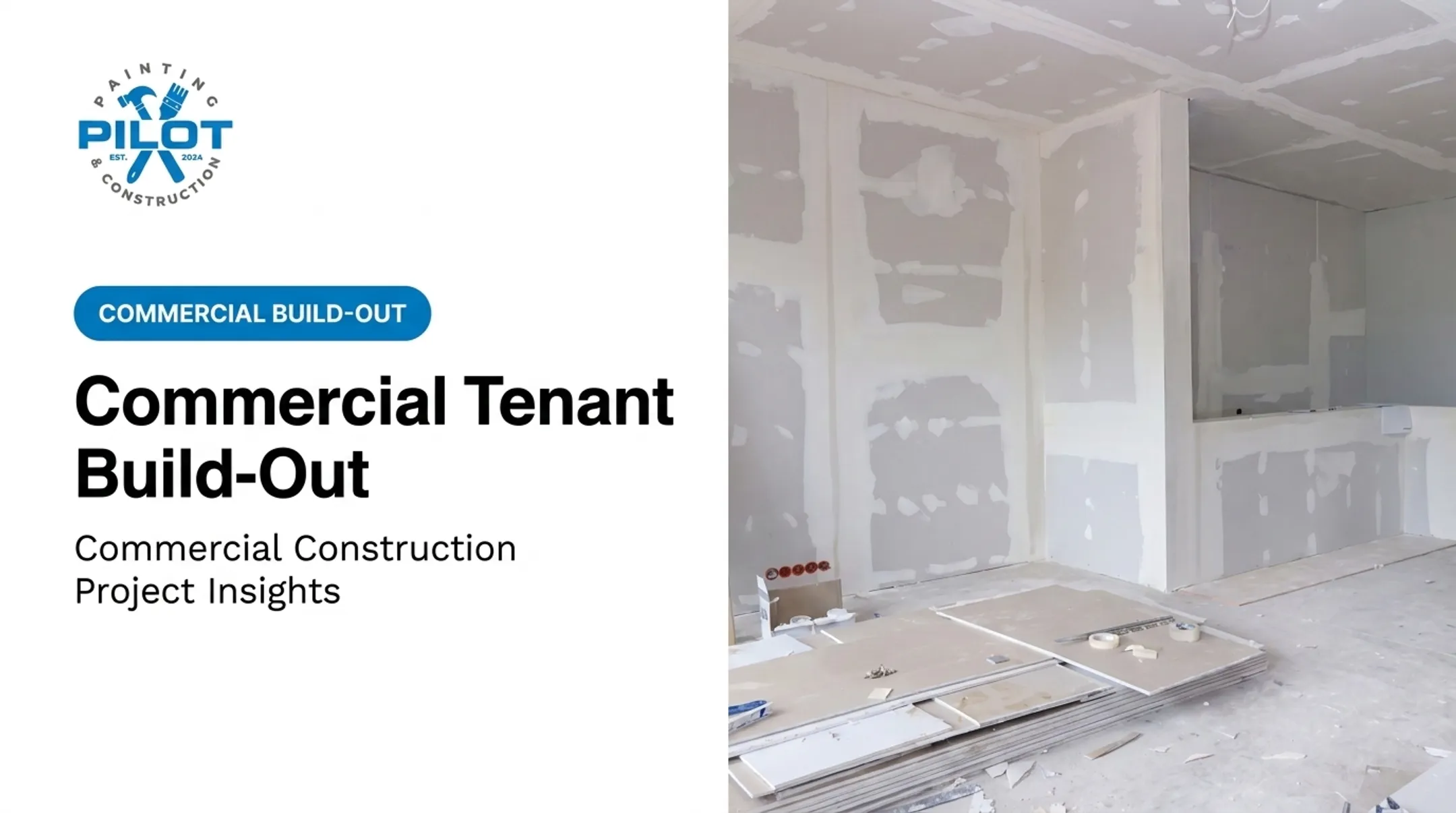
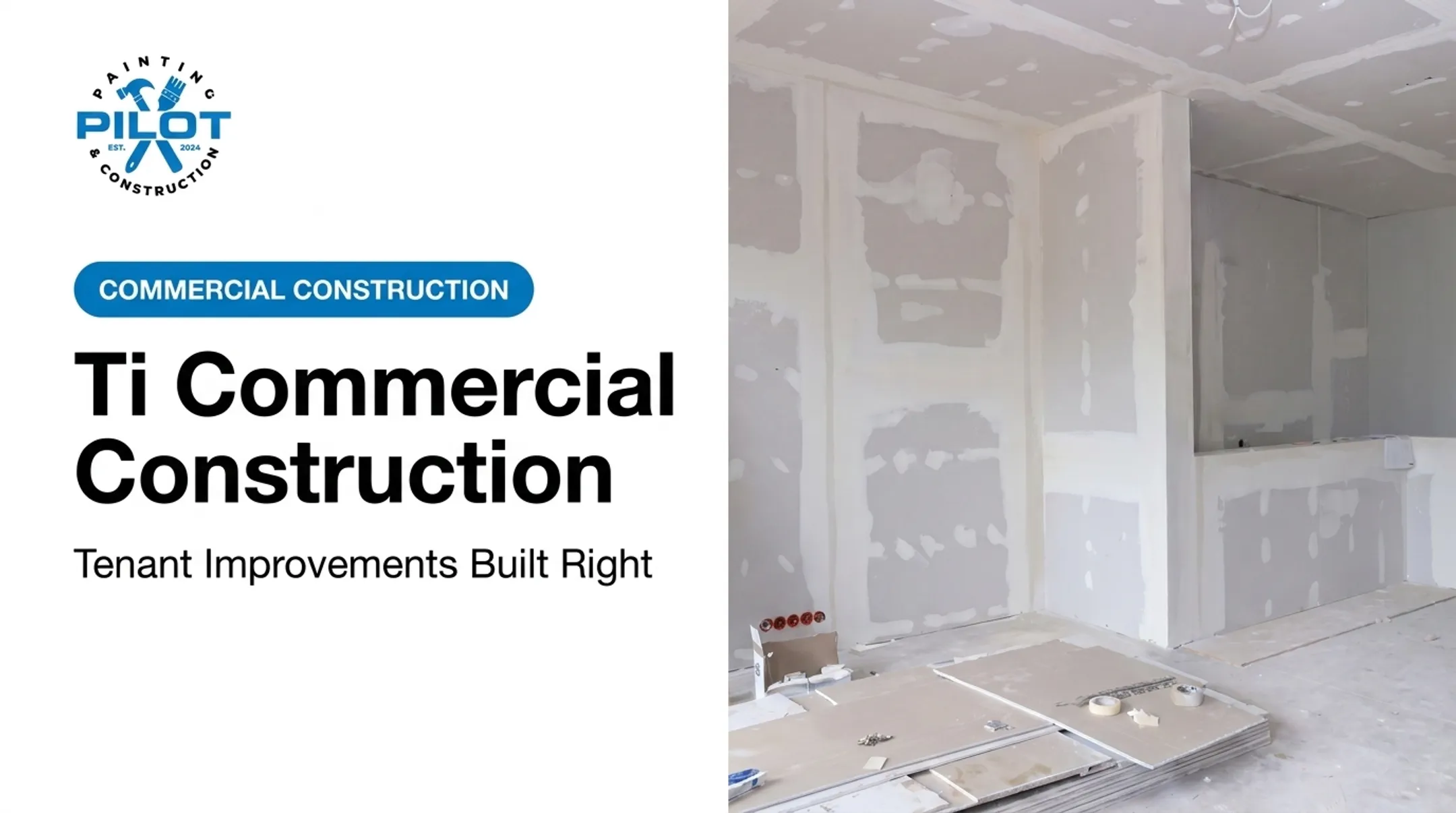
White box (sometimes called vanilla shell or warm shell) describes a commercial space finished to a specific midpoint: past the bare structural shell, but before any tenant-specific build-out. The name comes from the classic look of the space, with white sheetrocked walls and a dropped ceiling ready for a tenant to move in and customize.
A typical white box delivery includes:
- Finished exterior and roof
- Drywall separation walls between units
- Concrete flooring
- Basic restrooms
- Rough electrical and plumbing
- HVAC system
- Fire suppression, where required by code

What's usually excluded:
- Interior wall finishing or paint
- Upgraded fixtures and lighting
- Security systems
- Data and cable wiring
- Custom HVAC layout changes
Tenants get a functional starting point they can shape around their brand, whether that's a boutique, a dental office, or a restaurant kitchen.
According to a 2021 commercial real estate legal analysis, one landlord's white box can look very different from another's, since there's no universal code definition. The lease language, not the term itself, is what determines what you're actually getting.
One caution: don't assume "white box" guarantees a faster lease-up or a specific move-in date. It generally means less work for the tenant compared to a bare shell, but the exact time savings depend on the project.
White Box vs. Related Construction Terms
Confusing white box with gray box, or assuming vanilla box means something different, leads to budget surprises. Here's how the terms typically stack up.
| Term | What You Get |
|---|---|
| Cold/gray shell | Bare stud walls, unfinished floors, no plumbing or electrical, minimal HVAC |
| Warm gray box | Utilities roughed in, but no lighting or finishes |
| White box / vanilla box | Drywall, flooring, basic systems, restrooms — ready for tenant customization |
| Fully finished space | Complete finishes, often retaining the previous tenant's build-out |
Vanilla box and white box are interchangeable terms in most North Texas leasing conversations. If a broker uses one and a landlord uses the other, they're likely describing the same delivery condition.
Always confirm the finish schedule attached to the lease rather than relying on the label alone.
A fully finished space sits at the opposite end of the spectrum. Because it retains the previous tenant's layout and finishes, it may actually create more demolition work for you than a clean white box shell would.

What Are White Box Items? Inclusions and Exclusions in Detail
White box scope breaks down by building system. Landlords typically deliver the shell items below; layout-specific finishes and distribution often stay with the tenant.
Exterior provisions usually include:
- Finished structural system and roof
- Rear or demising wall separating your space from neighboring units
Interior provisions commonly include:
- Insulated drywall
- Storefront doors and windows facing the street or common area
- Poured concrete floor ready for your flooring choice
Restrooms, electrical, and plumbing are generally roughed in per code, though the exact fixture count depends on your intended use. The 2021 International Plumbing Code ties minimum fixture requirements to occupancy type, not a flat white box standard, so a restaurant and an office suite won't have identical requirements.
HVAC should provide continuous ventilation while the space is occupied. Duct and vent layout for your floor plan is usually tenant work.
Fire suppression is often installed by the landlord ahead of time, especially in larger fire areas. Final scope still depends on square footage and local amendments to the building code.
How Much Does White Box Construction Cost?
Cost depends heavily on the existing condition of the space, its size, and how much work remains once you take possession. There's no flat national rate, but a few benchmarks help set expectations.
Cushman & Wakefield's 2026 Americas Office Fit Out Cost Guide reports average U.S. office fit-out costs around $149 per square foot. That figure covers drywall, ceilings, mechanical, plumbing, fire protection, and electrical work combined.
It is a national average across full build-outs, not a white box-specific number, but it shows how these trades add up.
Key cost factors to expect:
- Dropped ceiling installation
- Drywall partition framing and finishing
- Concrete flooring prep or leveling
- HVAC distribution and layout changes
- Electrical rough-in and fixture upgrades
- Restroom construction, if code requires more fixtures for your use
Because a white box already has basic systems in place, finishing it out typically costs less per square foot than converting a raw gray shell, where every system starts from scratch.
Permits add another layer. Dallas charges a commercial plan review fee of $0.046 per square foot or $577, whichever is greater, according to the City of Dallas 2025 fee schedule. Demolition permits run $205 plus $0.21 per square foot of floor area.

Fort Worth's fees vary by valuation, so check directly with the city before budgeting.
Benefits of White Box Construction for Landlords and Tenants
White box delivery works because it splits the difference between too little and too much finish work.
For tenants:
- Freedom to design layout, fixtures, and finishes around your brand
- Faster move-in than starting from a bare shell
- Less demolition than gutting someone else's old build-out
For landlords:
- Broader appeal across tenant types—the space isn't locked to a prior layout
- Less construction waste by reusing partitions, ceilings, and electrical distribution instead of full tear-outs
- Stronger marketability compared to a cold shell that scares off tenants needing quick occupancy
Tenant improvement allowances (TIAs) often come with white box leases and help cover remaining finish-out costs.
CBRE reported that the average U.S. office TIA fell to $87.51 per square foot in 2024, down from $97.55 the year before. Treat that as a market trend, not a guarantee—negotiate your specific allowance.
Working With a Contractor to Complete Your White Box Build-Out
Choosing the right contractor determines whether your build-out stays on budget or spirals into surprises.
Look for a contractor who offers:
- Transparent cost estimates — clear line items, not vague lump sums
- Permitting knowledge — familiarity with local code requirements in your specific city
- Realistic timelines — honest projections, with updates when scope changes
Ongoing communication matters just as much as the estimate itself. Projects stall when contractors go quiet mid-build, leaving property owners guessing about delays or cost creep.
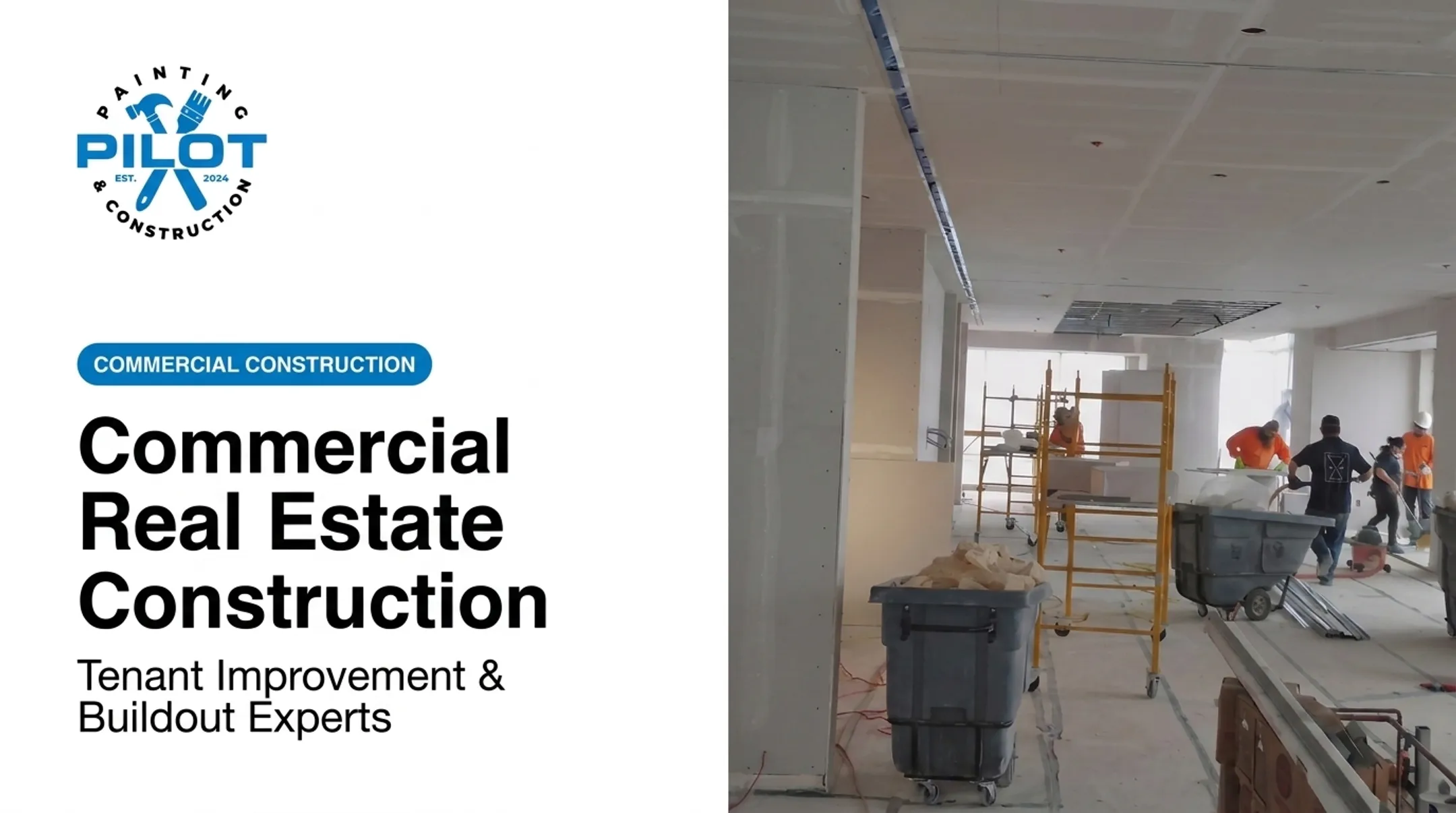
Pilot Painting & Construction has handled commercial tenant improvement and white box remodeling projects across the Dallas–Fort Worth area. That work often turns outdated interiors, exposed ductwork, and worn concrete into tenant-ready spaces with fresh drywall, paint, and finished ceilings.

One client, Michael Brashears of International Capital, noted the crew "has done a great job" and that project lead Terra "has been on top of the job since day 1."
Founder Aaron Stavinoha built the company around transparency and communication after years running commercial construction operations in North Texas. Whether you're a landlord prepping a suite for lease or a business finishing out a new location, that combination of construction know-how and clear communication makes the white box-to-finished-space transition far less painful.
Frequently Asked Questions
What does white box mean in construction?
White box refers to a partially finished commercial shell with core systems like drywall, flooring, electrical, and HVAC in place. It's ready for a tenant to add their own finishes and layout.
What are the key differences between white box and gray box construction?
White box includes finished walls, flooring, and basic systems. Gray box (or cold shell) is far more raw, often just bare stud walls with no plumbing, electrical, or finished flooring at all.
What is a vanilla box in construction?
Vanilla box is another term for white box or warm shell. Both describe the same partially finished delivery condition, though the exact scope should always be confirmed in the lease.
What does "white boxed" mean in construction?
"White boxed" describes a space that has been brought to that partially finished condition, meaning outdated finishes were removed and basic systems were installed or upgraded.
What are white box items?
Common white box items include:
- Drywall partition walls
- Concrete flooring
- Rough electrical and plumbing
- HVAC systems
- Code-compliant restrooms and fire suppression