
The challenge is real: cafeterias combine heavy foot traffic, constant moisture exposure, and strict health-code requirements in one space. Get the flooring wrong, and you're looking at slip hazards, premature failure, or costly downtime for repairs.
This guide breaks down the top flooring materials for cafeterias, the factors that actually matter when choosing between them, and why installation quality can make or break your investment.
Key Takeaways
- Cafeteria floors need durability, slip resistance, and easy sanitation in one package
- Epoxy, vinyl (LVT), polished concrete, tile, and rubber each suit different traffic, grease, and moisture loads
- Surface prep — grinding, moisture testing, crack repair — determines whether flooring lasts or fails early
- Dining, serving, and kitchen zones rarely succeed with one material wall to wall
- An experienced commercial flooring contractor helps prevent early failures and protects your investment
What Makes Cafeteria Flooring Different From Other Commercial Spaces
Most commercial floors deal with steady, predictable traffic. Cafeterias don't work that way. Instead, they cycle through intense breakfast, lunch, and dinner rushes followed by aggressive cleaning sessions meant to reset the space in minutes, not hours.
That cycle creates unique stress:
- Repeated wet-dry transitions as mop water, food spills, and steam hit the floor, then dry, then get wet again
- Grease and oil exposure, especially near serving lines and dishwashing stations
- Constant chemical contact from sanitizing solutions used between service periods
Health codes add another layer. Local jurisdictions, including cities across North Texas, often require food-prep and utensil-washing areas to use smooth, durable materials like quarry tile or seamless epoxy with an integral cove base.
Some codes explicitly prohibit polished or sealed concrete in those zones. Requirements vary by city, so confirm current standards with your local authority before finalizing a floor plan.
One Floor Doesn't Fit All Zones
A cafeteria typically breaks into three distinct zones:
- Dining room — lower moisture, focus on comfort and appearance
- Serving line — heavy traffic, spill-prone, needs slip resistance
- Back-of-house kitchen — grease, heat, chemicals, constant washdown
Manufacturers increasingly recommend zone-specific flooring rather than one material stretched across the whole facility. What works in a dining room would fail fast in a fryer station.

Top Flooring Options for Cafeterias
Here's how the five most common materials stack up for food-service use.
Epoxy Flooring
Seamless and nonporous, epoxy resists grease, moisture, and chemical exposure better than almost anything else on this list. It's a strong fit for kitchens and serving lines where spills happen constantly. Cove bases (where the flooring curves up the wall) eliminate dirt-trapping corners that make sanitation harder. The catch: epoxy is only as good as the concrete underneath it. Substrate moisture or cracking causes premature coating failure, which is why proper prep matters so much (more on that below).
Vinyl/LVT Flooring
Luxury vinyl tile works well in dining rooms and other relatively dry zones. It's cost-effective, comes in nearly unlimited designs, and feels more comfortable underfoot than hard tile, a real plus for staff on their feet all shift. Caution: not all LVT belongs in wet or greasy back-of-house areas. Water damage can force early replacement if it's installed somewhere it wasn't designed for.
Polished Concrete
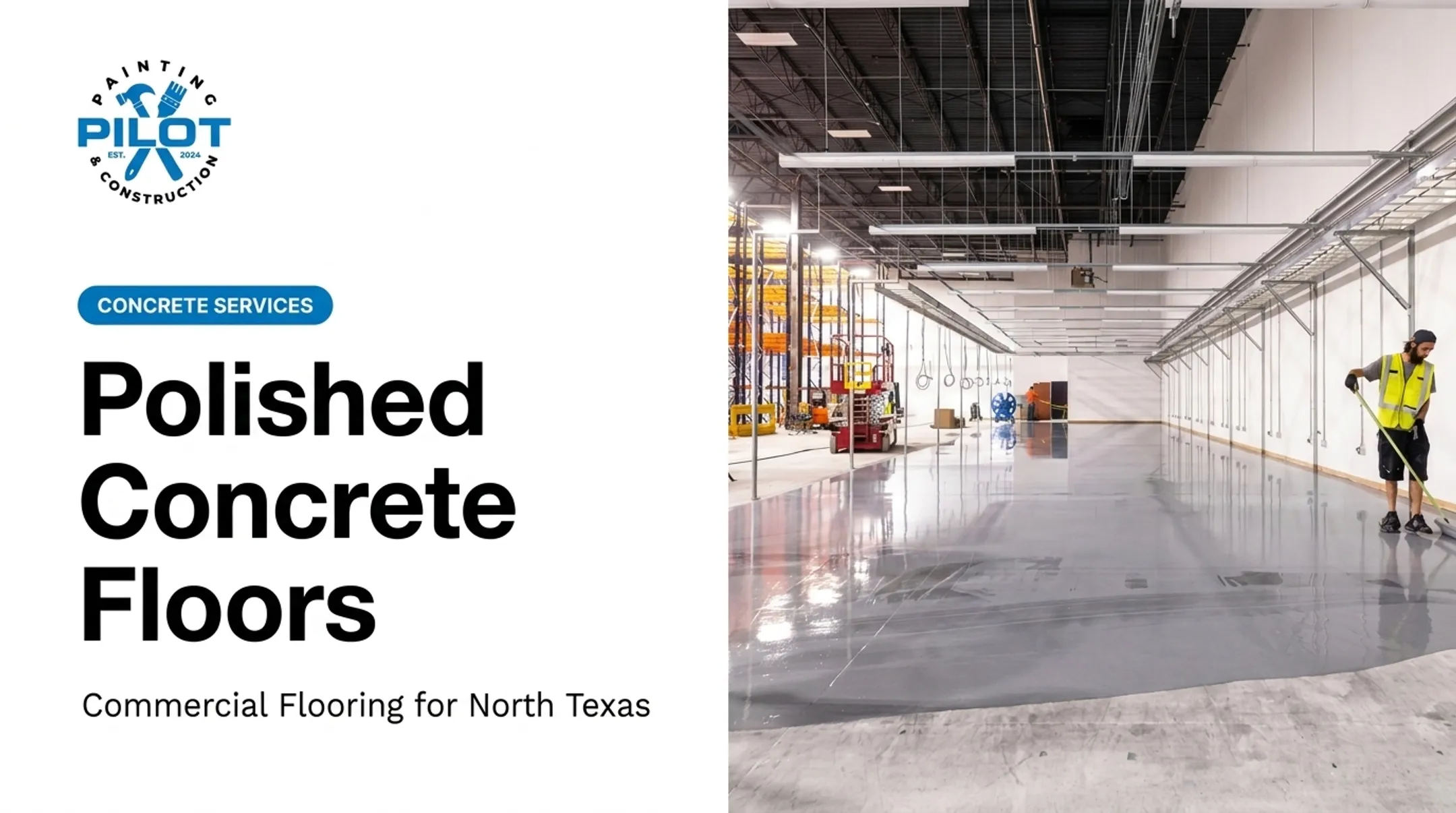
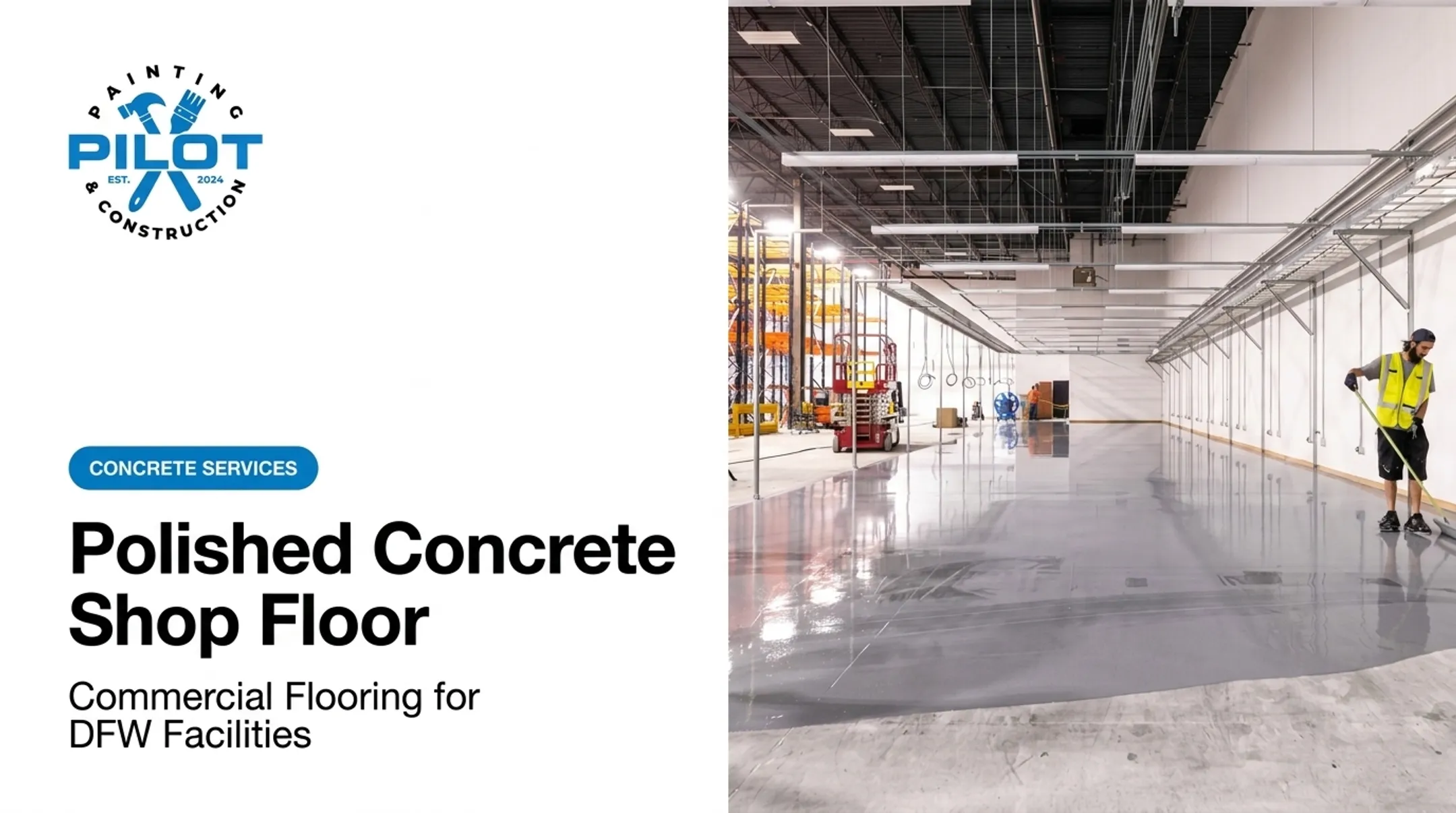
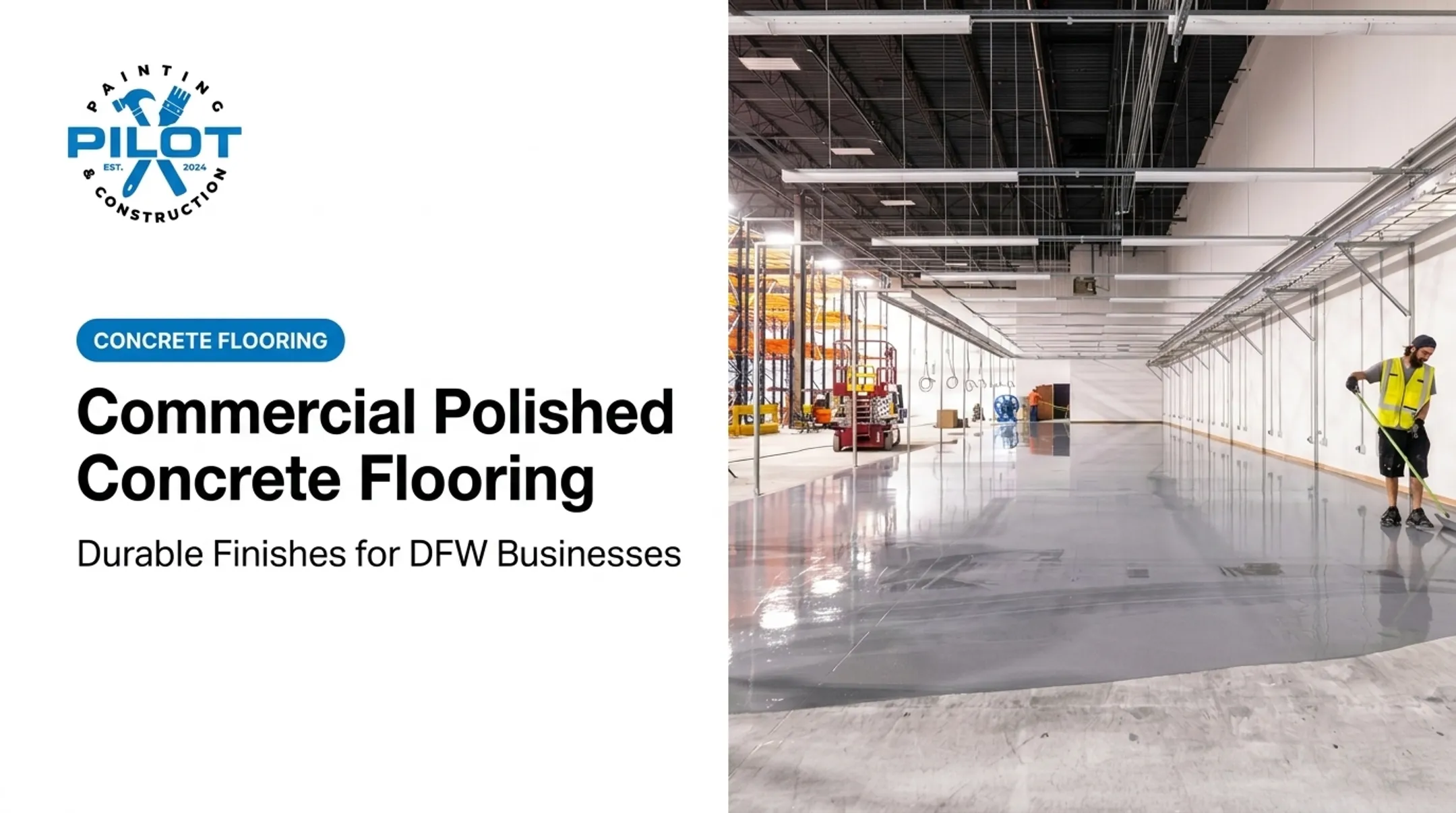
Polished concrete is budget-friendly for facilities with an existing slab and needs minimal upkeep (usually dust mopping, with occasional damp mopping). It can last decades with proper care. One important note: some local health codes prohibit polished or sealed concrete in food-preparation and utensil-washing areas specifically. It's a strong option for dining rooms, but check local requirements before using it near food prep.
Tile (Ceramic/Porcelain/Quarry)
Quarry tile is a long-standing standard for commercial kitchens because of its cleanability, durability, and slip resistance. It isn't automatically slip-proof, though. Oil and grease conditions require specific slip-rated products, and grout lines and coves need careful detailing so they don't become a maintenance headache.
Rubber Flooring
Rubber tile offers natural slip resistance plus sound dampening and comfort underfoot — a common choice for back-of-house kitchen areas where staff stand for hours. Confirm any specific product is rated for food-service conditions, including grease and temperature swings from freezer to fryer. Lifecycle cost reality check: There's no universal, apples-to-apples cost table for these five materials over 5–10 years. Outcomes hinge on variables such as:

- Installation quality
- Traffic levels
- Maintenance habits Upfront savings on cheaper materials often disappear after early replacement, especially when moisture-sensitive products go into wet zones. A project-specific analysis that covers installation, repairs, and expected maintenance beats a generic price-per-square-foot comparison every time.
Key Factors to Consider When Choosing Cafeteria Flooring
Before picking a material, weigh these five factors against your specific space.
- Slip resistance and safety — Required near serving lines and kitchen entries. OSHA flags wet floors and spills as common food-service hazards, so pair floors with drainage, mats, and prompt spill cleanup.
- Ease of cleaning — Daily spill cycles and health-code standards mean your floor must handle aggressive, frequent cleaning without degrading.
- Durability under heavy use — Foot traffic, rolling carts, and dropped equipment all take a toll.
- Moisture resistance — Critical for slab-on-grade cafeterias or areas near dishwashing stations.
- Aesthetic cohesion — The floor should still match your facility's overall look and branding.
Understanding Slip-Resistance Ratings
Slip resistance for hard flooring is measured using dynamic coefficient of friction (DCOF) under ANSI A137.1. For tile recommended in areas that get walked on while wet, the industry benchmark is a wet DCOF of at least 0.42. This number is a comparison tool, not a guarantee. Actual slip risk also depends on contaminants, maintenance, footwear, and slope.
The Rule of 3 for Flooring
Limit any one space to no more than three flooring materials, colors, or patterns. Beyond that, spaces start to look cluttered and disjointed. It is a design principle worth knowing—not a formal code requirement.
Applied to a cafeteria, this typically breaks down as:
- One flooring type for the dining area (comfort and aesthetics)
- One for serving/high-traffic zones (durability and slip resistance)
- One for back-of-house (chemical and moisture resistance)
This is a design heuristic, not a health-code standard. It should never override ADA accessibility, slip-resistance classifications, or sanitation requirements. Use it to keep the visual side cohesive once functional requirements are locked in.

Why Professional Installation Matters
Material choice only gets you halfway there. Installation quality determines whether that material performs for years or fails within months.
Surface prep drives coating adhesion. Industry data shows that up to 80% of coating failures trace back to inadequate surface preparation, not the product itself.
For epoxy specifically, most cracking in the finished floor comes from cracks in the concrete substrate underneath, meaning the coating is only as sound as what's beneath it.
Proper prep typically involves:
- Moisture testing to confirm the slab won't trap water under a sealed coating
- Grinding to create the right surface profile for adhesion
- Crack repair before any coating or tile goes down
Resilient flooring like LVT has its own strict requirements too: subfloors need to be flat, dry, and structurally sound, with specific moisture and pH thresholds depending on the product.
DIY and rushed installations often fail early in cafeteria settings precisely because these steps get skipped or shortcut. A floor that looks fine on day one can start lifting, cracking, or delaminating within a year if the substrate wasn't properly prepped.

Pilot Painting & Construction works with commercial and industrial clients throughout the DFW area on floor coatings, polished concrete, and concrete repair and restoration—the kind of heavy-use flooring work that cafeterias demand.
If you're planning a cafeteria renovation, a contractor who prioritizes clear communication and understands commercial timelines can mean the difference between a smooth project and a disruptive one. Reach out to discuss your project before you finalize your flooring plan.
Frequently Asked Questions
What type of flooring is best for the food industry?
It depends on the zone. Epoxy and quarry tile handle grease and moisture well in kitchens, while vinyl works well in dining areas. All three offer strong durability and easier sanitation than softer materials.
What is the Rule of 3 for flooring?
It's a design guideline limiting any one space to three flooring materials, colors, or patterns to keep things visually cohesive. It's not a code requirement, so it should never override safety or sanitation needs.
How often should cafeteria flooring be replaced or resurfaced?
It varies widely by material and traffic level. Quarry tile and polished concrete can last decades with proper care, while resilient flooring in wet zones may need attention sooner if it wasn't rated for that exposure.
Can cafeteria flooring be installed without closing the facility?
Many commercial flooring projects use phased scheduling or off-hours work to limit disruption to daily operations. Discuss timing options directly with your contractor based on your facility's schedule and needs.
Is polished concrete a good option for cafeterias?
It's durable and low-maintenance, making it a solid choice for dining areas. However, some local health codes prohibit polished concrete in food-prep and utensil-washing zones, so check requirements before specifying it there.
What slip-resistance rating should cafeteria floors have?
For tile recommended in areas that get wet, industry guidance points to a minimum wet DCOF of 0.42 under ANSI A137.1. That said, actual slip safety depends on maintenance, contaminants, and use conditions too.