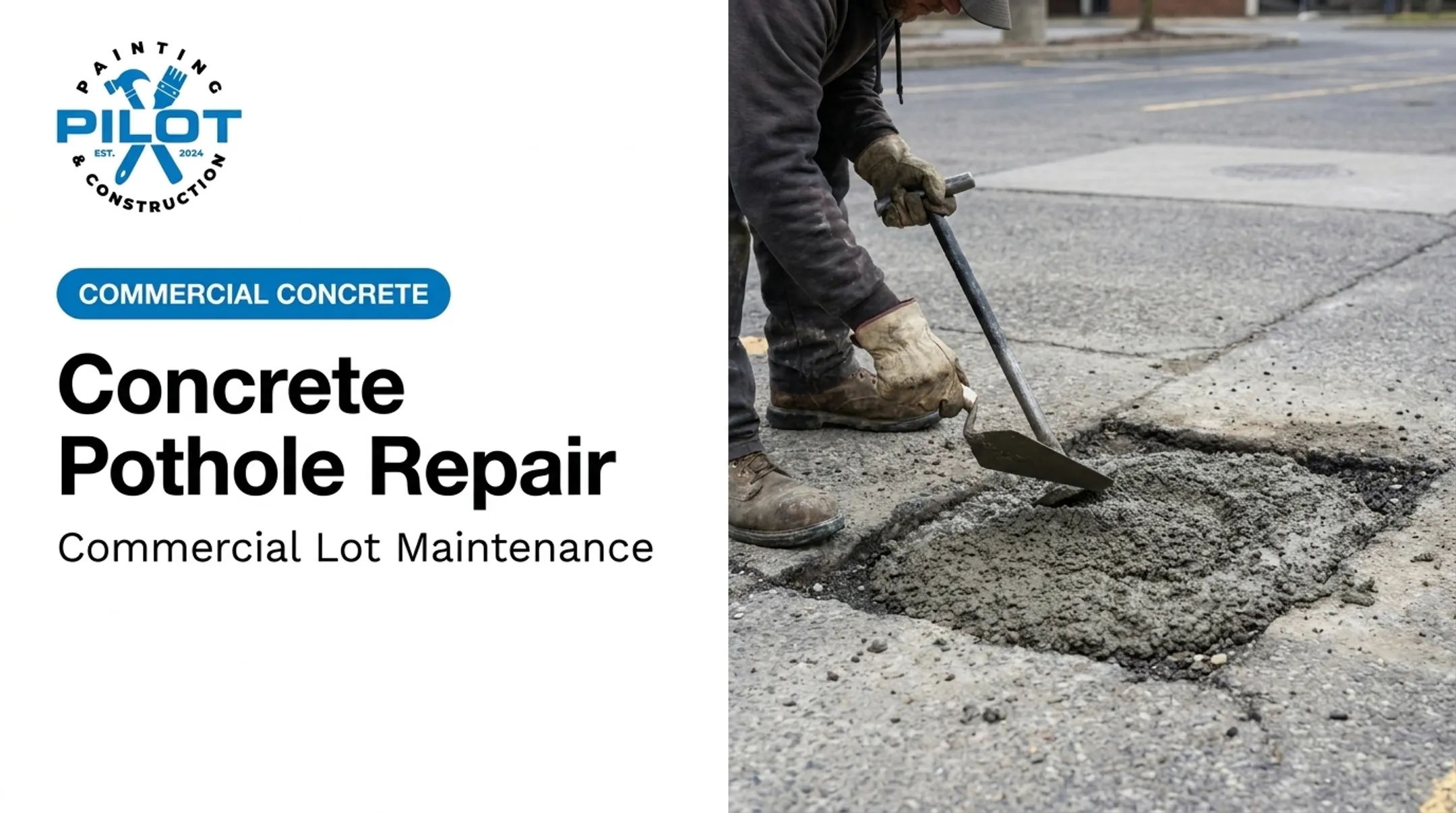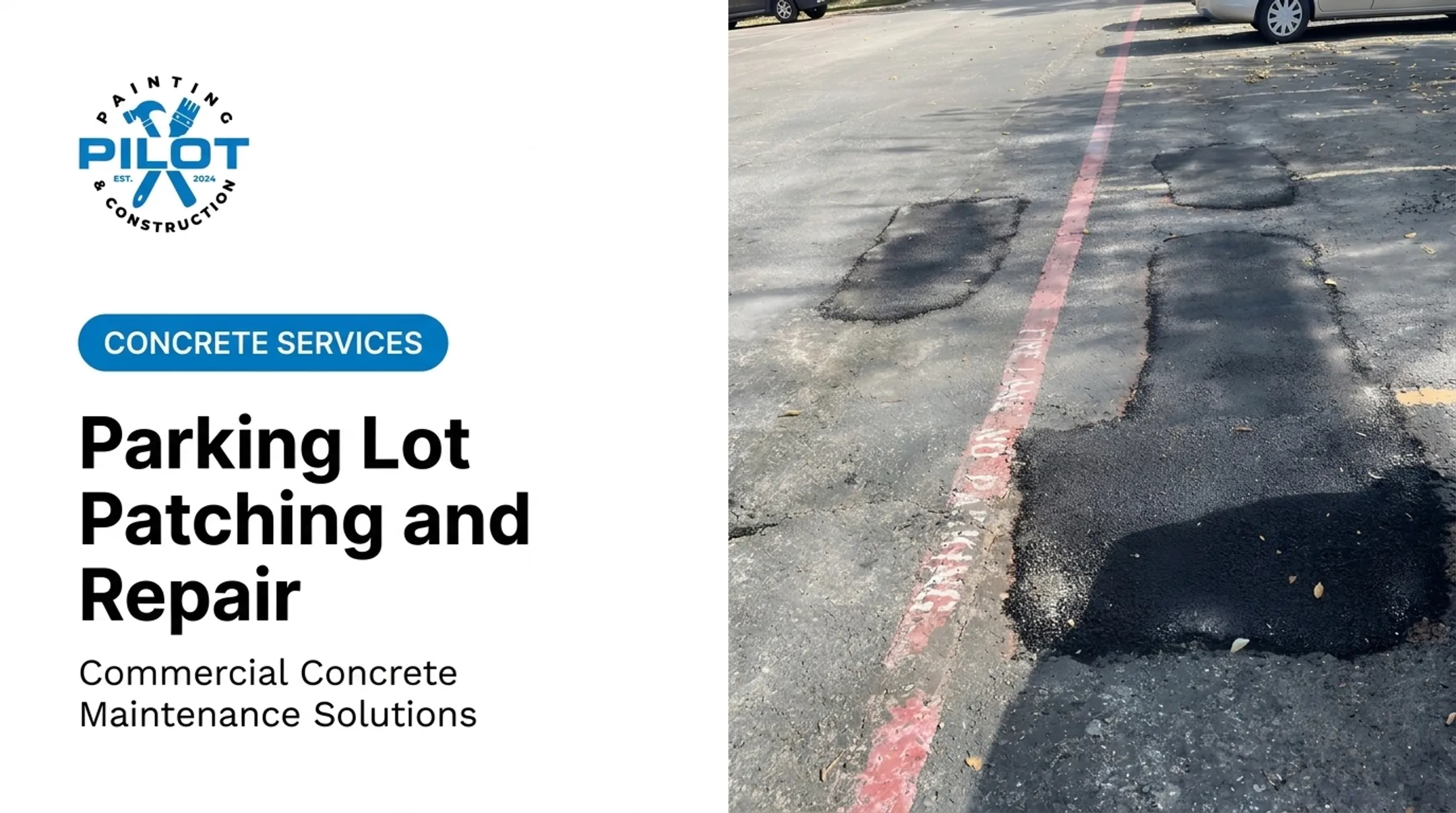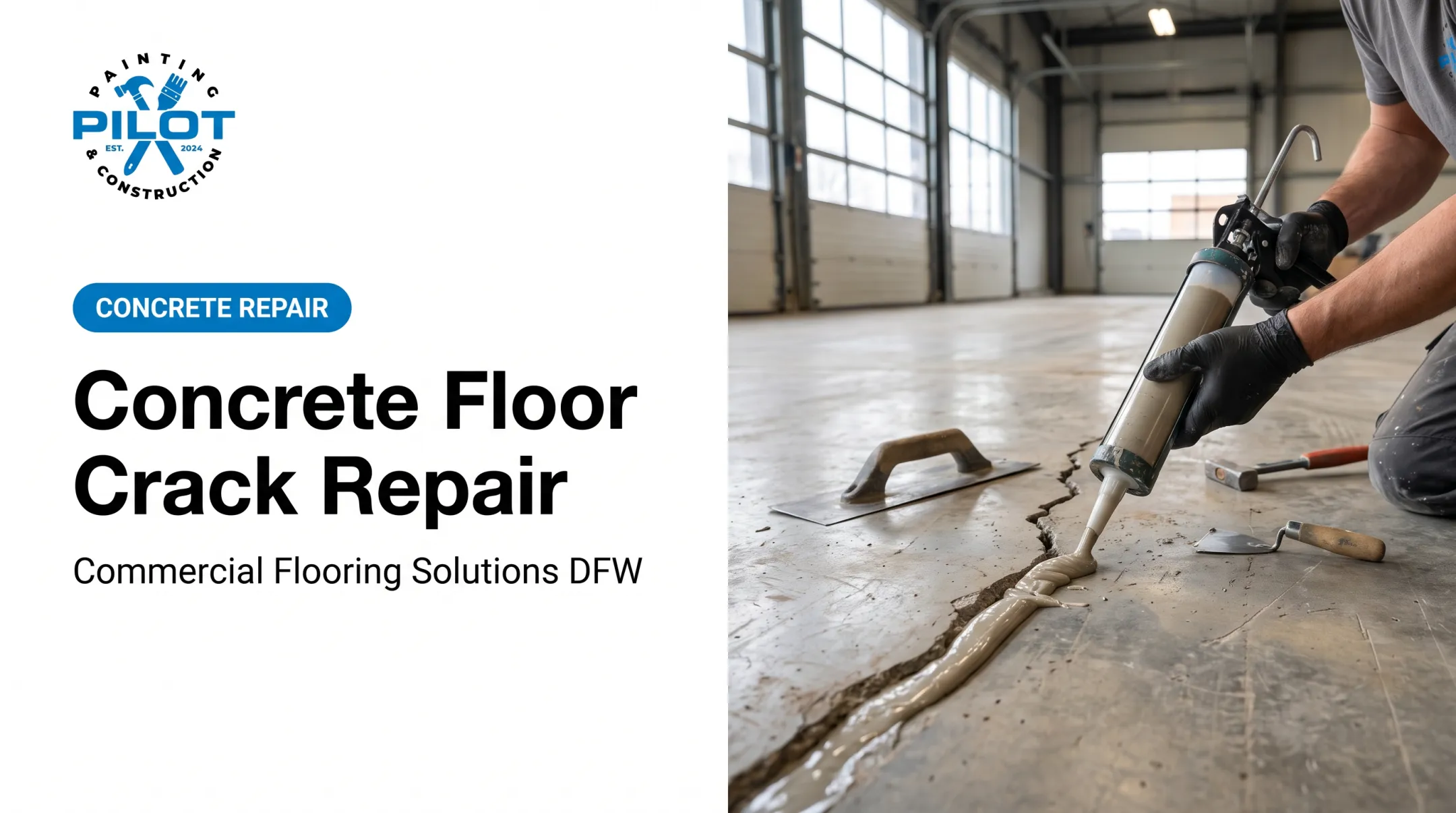

North Texas doesn't make it easy on asphalt. Summer heat softens pavement and accelerates rutting, while swings between scorching afternoons and cooler nights stress the surface further. Texas paving specifications actually call for stiffer, heat-resistant binder grades in the hottest parts of the state, which shows just how much regional climate affects pavement performance (TxDOT/UT research).
This guide breaks down what resurfacing actually is, what it costs, how it compares to sealcoating and full replacement, and how to know which option fits your property.
Key Takeaways
- Resurfacing adds a fresh asphalt layer over a structurally sound base, extending life 8-15 years
- Cost is priced per square foot and hinges on prep work, overlay thickness, and material grade
- It sits between sealcoating (surface protection only) and full replacement (complete tear-out)
- Sealcoating every 2-3 years is the single best way to protect a resurfaced lot or driveway
What Is Asphalt Resurfacing?
Resurfacing means prepping the existing surface and applying a new 1-2 inch layer of hot mix asphalt on top of a base that's still structurally sound. The Asphalt Institute defines this kind of overlay as work built to increase both structural value and ride quality, not just cosmetic patching (Asphalt Institute glossary).
It's easy to confuse resurfacing with other services, so here's the quick breakdown:
- Patching — fills isolated holes or depressions; doesn't address the whole surface
- Sealcoating — a thin protective coating that renews dry, brittle asphalt and blocks water and UV damage, but adds no structural thickness
- Resurfacing — a full new asphalt layer over an existing sound base
- Replacement — complete removal and rebuild, including the base

Why the Base Matters in North Texas
DFW's clay-heavy soil expands and contracts with moisture, which can undermine what's beneath the asphalt even when the surface looks fine. Resurfacing only works if that base hasn't failed. Lay new asphalt over a compromised subgrade, and you're only delaying the same problems—and often making them worse.
Signs Your Driveway or Parking Lot Needs Resurfacing
Watch for these warning signs before they become expensive problems:
- Alligator cracking: a web of interconnected cracks resembling reptile skin
- Potholes: active surface failure, not just cosmetic wear
- Pooling water: signals drainage problems that accelerate deterioration
- Fading or graying: asphalt losing its protective oils
- Rutting: depressions from repeated heavy traffic loads
Age matters as well. Most surfaces need attention every 3–5 years. Major resurfacing often falls around the 15–20 year mark, depending on drainage, base condition, and maintenance history (Uniform Paving).
Commercial parking lots typically wear faster than residential driveways because of daily traffic volume. Entrances, exits, and loading zones take the brunt of it.

How Much Does Asphalt Resurfacing Cost?
Pricing varies by scope, but published national ranges give a useful starting point:
| Service | Typical Price Range | Best For |
|---|---|---|
| Sealcoating (parking lot) | $0.14-$0.25/sq ft | Surface protection, no structural repair |
| Driveway resurfacing | $1-$4/sq ft ($500-$2,000 total) | Sound base, moderate wear |
| Commercial lot resurfacing | $2-$7/sq ft | Sound base, heavier traffic loads |
| Full replacement | Varies widely by size/site | Failed base, deep structural damage |
(Sources: Angi driveway repair guide, Angi parking lot guide)
What Drives the Price Up or Down
- Labor and crew size: bigger commercial lots need more equipment and manpower
- Asphalt mix and thickness: heavier-duty mixes cost more but last longer
- Prep and repair work: crack filling and pothole patching before resurfacing adds cost
- Site accessibility: tight urban lots or awkward layouts slow the job down
Hidden Fees to Watch For
Ask contractors upfront about:
- Demolition and haul-off charges for removed material
- Permit fees (required in some municipalities)
- Rush scheduling premiums if you need work done outside normal timelines
Timing matters too. Spring and summer are peak paving season in Texas, which can mean higher demand and tighter contractor availability. Booking early helps you secure availability before peak demand hits.

Pilot Painting & Construction handles commercial parking lot repair for DFW businesses, including crack filling, sealcoating, and concrete surface restoration. Quotes are project-specific rather than flat rates.
Resurfacing vs. Replacement: Making the Right Call
Contractors generally use this threshold: if less than 25-30% of the pavement needs repair and the base is still sound, resurfacing usually makes sense (Scotty's Contracting). Beyond that point, you're often paying for a temporary fix.
Replacement becomes necessary when:
- Cracks run deep and reappear even after repair
- The base has failed — soft spots, sinking, or lateral movement
- Pavement is beyond 20 years old with no significant maintenance history
- Drainage problems can't be corrected by milling alone
Think in terms of a 5-10 year cost outlook, not just the invoice in front of you. A cheaper resurfacing job on a failing base often costs more over time than a full replacement up front.
A contractor who understands both paving and concrete can help you weigh those options. Pilot Painting & Construction's commercial concrete and construction background helps DFW property owners decide whether a driveway, parking lot, or commercial surface needs resurfacing, patch repair, or a full rebuild.
The Asphalt Resurfacing Process, Step by Step
Resurfacing follows a consistent sequence, regardless of contractor:
- Site assessment and cleaning — remove debris, oil stains, and loose material that would prevent proper bonding
- Crack filling and pothole patching — address existing damage before the new layer goes down
- Tack coat application — apply a bonding agent between the old surface and new asphalt so the two layers adhere properly (Pavement Interactive)
- Laying and compacting new asphalt — apply hot mix asphalt at the correct thickness, then compact for density and durability
- Curing period — allow new asphalt to cool before traffic returns—thicker lifts take longer. Ask your contractor for a site-specific timeline and stake off the area during this window
Compaction quality matters more than almost any other step. Inadequate compaction is one of the leading causes of premature pavement failure, according to the National Asphalt Pavement Association (NAPA).

DIY vs. Hiring a Professional
You can handle small jobs without a crew. Minor cracks and shallow potholes on a residential driveway respond well to crack filler and cold patch products from a hardware store.
Full resurfacing is different. It requires:
- Hot mix asphalt delivered at the right temperature
- Proper tack coat application for bonding
- Rolling equipment and compaction technique to achieve correct density
Commercial lots especially need this level of precision. A poorly compacted lot fails faster and costs more to fix later.
That risk is why full resurfacing belongs with a qualified crew. Get at least 2-3 professional quotes before committing. Compare scope of work, materials specified, and warranty terms, not just the bottom-line number.
Maintaining Your Resurfaced Asphalt
A little maintenance goes a long way toward protecting your resurfacing investment:
- Sealcoat every 2-3 years to protect against UV exposure, oil stains, and water damage
- Inspect regularly for early cracking and fill promptly. Water infiltration turns small cracks into structural problems.
- Maintain proper drainage grading so water doesn't pool and accelerate deterioration
Pilot Painting & Construction's commercial parking lot repair service covers ongoing sealcoating, crack filling, and asphalt maintenance for DFW business properties that want long-term protection.
Frequently Asked Questions
How much does asphalt resurfacing cost?
Driveway resurfacing typically runs $1-$4 per square foot, while commercial parking lots run $2-$7 per square foot. Exact pricing depends on size, prep work needed, and material specifications. Exact pricing depends on size, prep work needed, and material specifications. Get a detailed quote for your property.
How much does it cost to sealcoat a parking lot?
Sealcoating runs roughly $0.14-$0.25 per square foot, making it significantly cheaper than resurfacing. Total cost still scales with lot size and condition.
What is asphalt resurfacing?
It's the process of applying a new 1-2 inch layer of hot mix asphalt over an existing, structurally sound base. It restores surface quality and adds years of life without a full rebuild.
How long after sealcoating can you park on it?
Most sealcoating needs 24-48 hours before vehicles can drive on it, though exact timing depends on temperature and humidity. Check with your contractor for site-specific guidance.
Is resurfacing an asphalt driveway worth it?
Yes, when the base is sound. It extends pavement life at a fraction of full replacement cost, so most owners recover value through fewer repairs and a longer service life.
Can you sealcoat a parking lot?
Yes. Sealcoating is a standard maintenance step for commercial lots, typically recommended every 2-3 years to protect against sun, oil, and water damage.