
These terms describe the finish level of a commercial space before move-in. Confuse one for the other, and you might budget for light paint touch-ups when you actually need full drywall, electrical, and HVAC work.
This guide breaks down what separates a grey shell from a vanilla shell, what each condition includes, and how a contractor like Pilot Painting & Construction helps close the gap between lease language and reality.
Key Takeaways
- Grey shell is raw, mid-construction space with roughed-in systems and no finishes.
- Vanilla shell arrives largely move-in ready, with painted walls, working HVAC, and functioning restrooms.
- Shell condition directly drives your build-out budget, timeline, and workload.
- Terminology isn't standardized — always confirm scope in writing before signing anything.
What Is a Grey Shell?
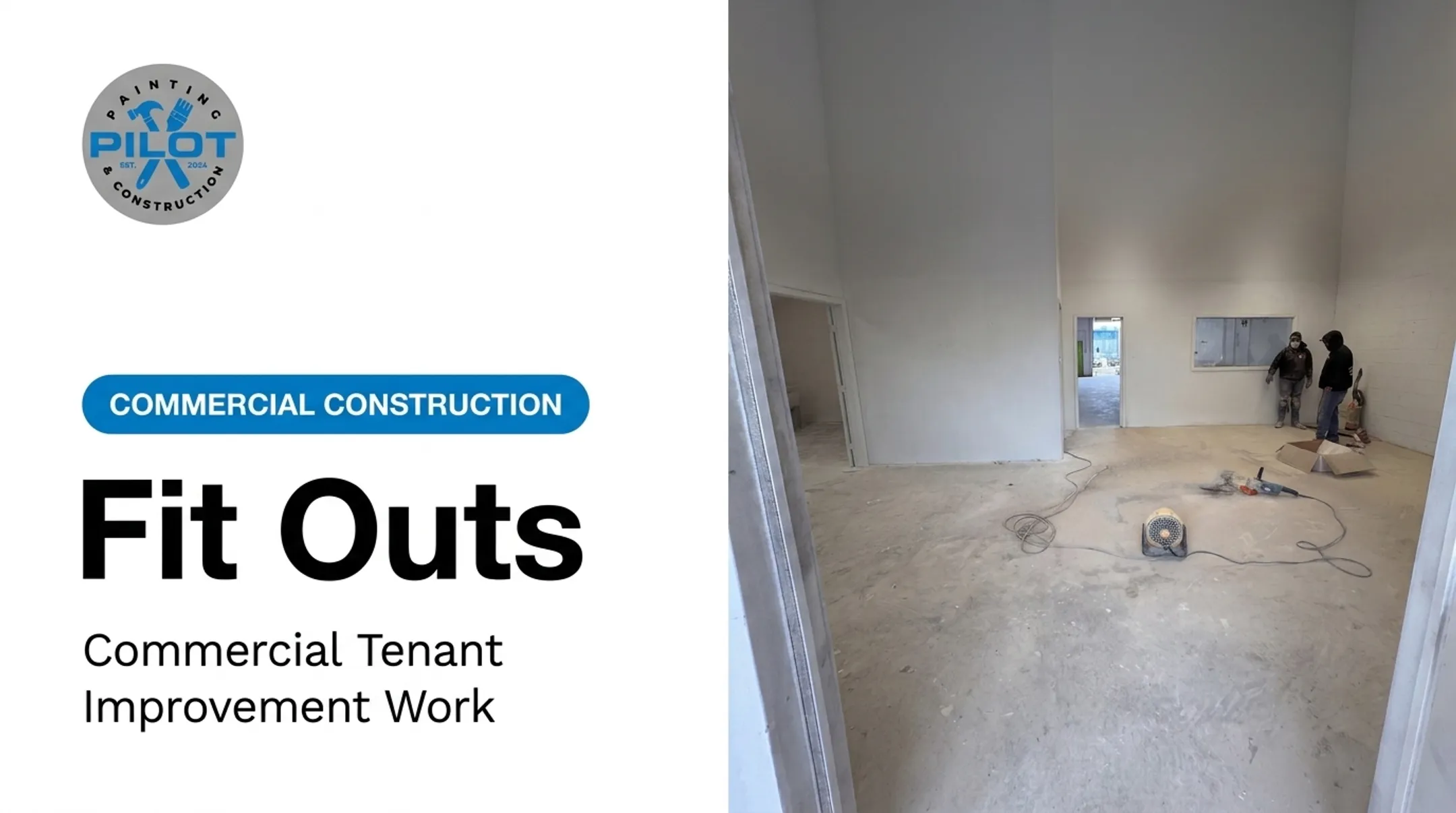
A grey shell is a raw commercial space that sits between a cold, dark shell and a vanilla shell. HVAC units may already be on the roof, but the ductwork isn't connected. Walls are still studs, floors are bare concrete, and nothing has been painted—so the space isn't ready for a business to move in.
Typical grey shell features include:
- Unfinished, unpainted walls (often exposed studs)
- Exposed ceiling with visible pipes and conduit
- No interior partitions or room layout
- Stubbed plumbing and electrical, capped but not distributed
- Sprinkler heads not yet dropped into place
Those conditions show up most often in new retail centers, industrial-to-commercial conversions, and spec developments where the landlord has not funded interior finishes yet. According to SterlingCRE Advisors, the "cold, grey shell" label also means HVAC is not operational—the space stays unheated and uncooled until more work is done.

Grey shell spaces require the heaviest tenant investment: finishing walls, connecting building systems, and installing flooring before any paint or décor goes in.
What Is a Vanilla Shell?
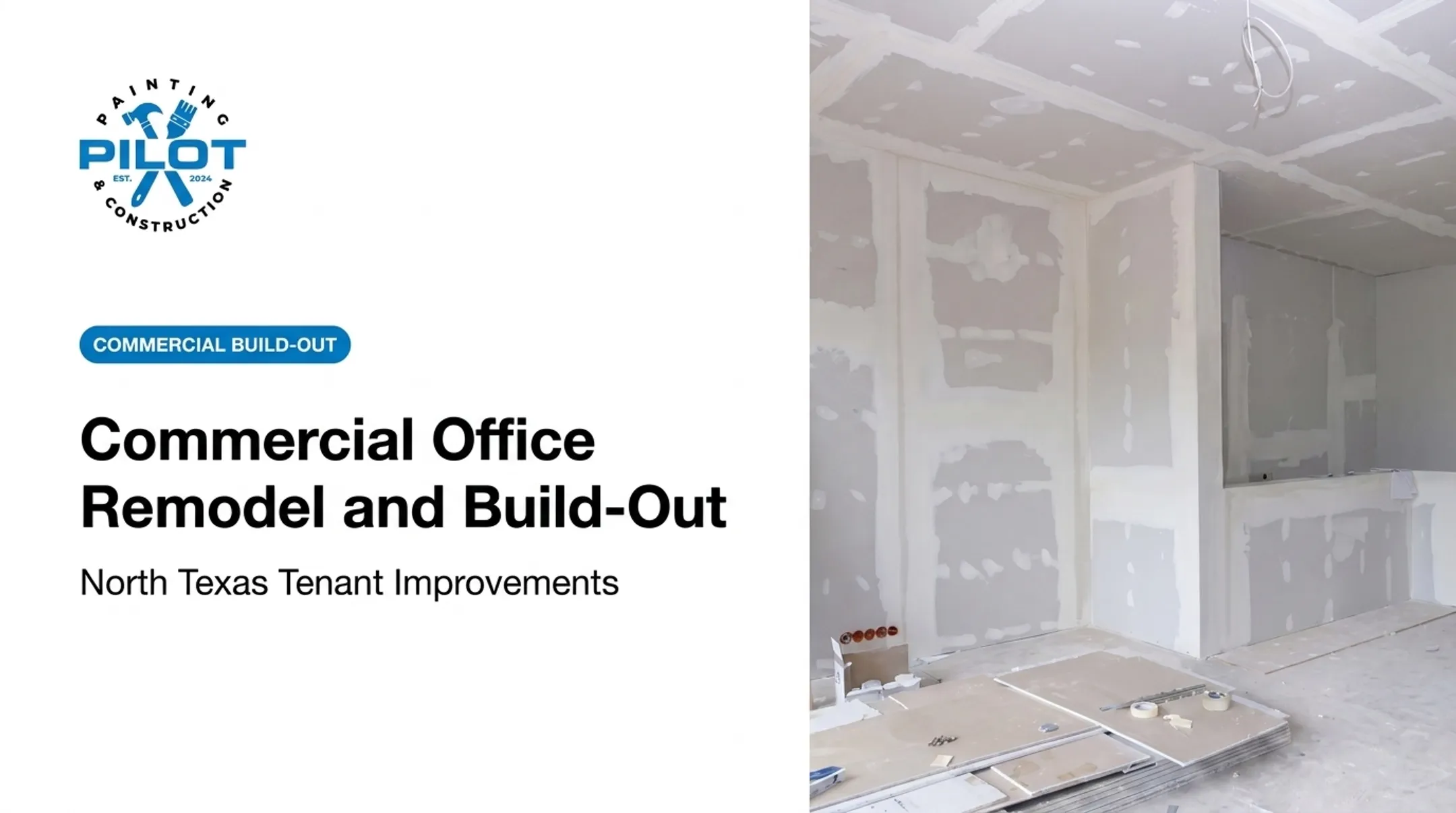
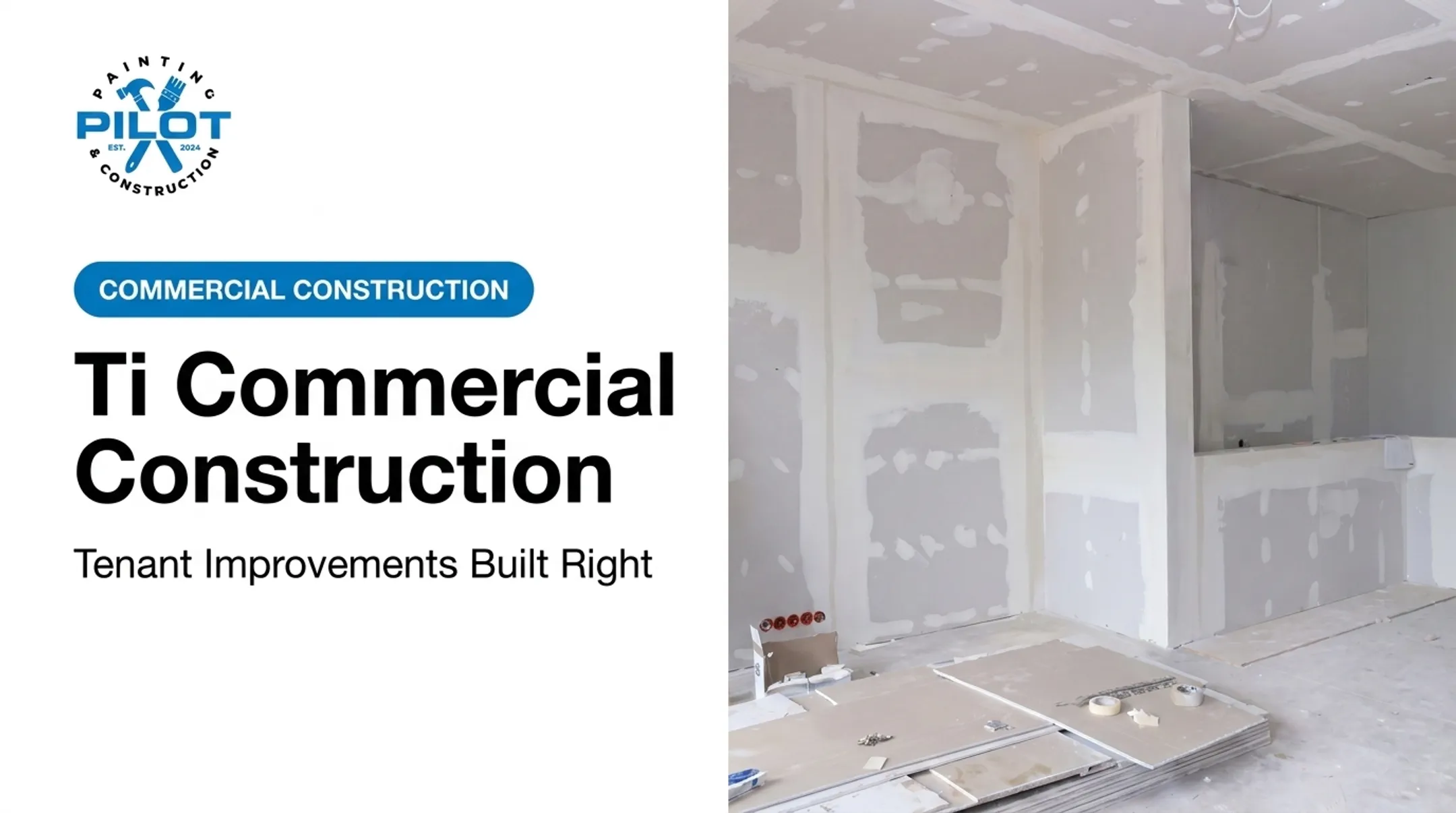
A vanilla shell — also called white box or warm shell — is a step closer to move-in ready. Walls are drywalled and primed. HVAC works. Basic lighting is installed. Restrooms function.
What's typically included:
- Drywalled and primed perimeter walls
- Finished or dropped ceiling
- Basic electrical outlets and lighting
- Working HVAC
- Functional restrooms
- Working fire sprinklers
- Exposed or base concrete flooring
What's usually NOT included:
- Interior partitions or room divisions
- Final paint colors or branding
- Specialty flooring (tile, LVP, epoxy)
- IT infrastructure and low-voltage wiring
Vanilla shell is the most common delivery condition in commercial leasing because it strikes a balance. Landlords avoid designing spaces around one tenant's specific needs, and tenants avoid starting from a completely blank canvas.
Some landlords now offer an "enhanced vanilla shell" — upgraded lighting, premium flooring, or higher-spec electrical work baked into the delivery. According to The Cauble Group's 2024 breakdown, this enhancement often comes with a higher rental rate attached, so confirm the upgrade is worth the added cost before you sign.

Grey Shell vs. Vanilla Shell: Key Differences
| Feature | Grey Shell | Vanilla Shell |
|---|---|---|
| Walls | Exposed studs | Drywalled, primed |
| HVAC | Not operational or roughed-in only | Functional |
| Flooring | Unfinished concrete | Base concrete, tenant finishes final layer |
| Restrooms | Not built out | Typically finished |
| Ceiling | Exposed, unfinished | Finished or dropped |
Grey shell means full interior construction: walls, systems, flooring, restrooms, everything. Vanilla shell mainly needs paint, partitions, and branding touches before you can open the doors.
Timelines reflect that gap. Per a 2020 contractor benchmark from Emerald Inc., light vanilla-shell finishes typically run 6-14 weeks, while grey-shell build-outs can stretch 3-6 months or longer due to full mechanical, electrical, and plumbing installation.

No single national cost-per-square-foot figure applies everywhere; pricing tracks local labor rates and scope. What stays consistent is where the money goes:
- Grey shell: more line items (full wall systems, distributed HVAC, restroom build-out), so total cost climbs
- Vanilla shell: spend concentrates on paint, partitions, and flooring upgrades
Regardless of shell type, tenant improvement allowances (TIAs) from landlords can offset some of these costs.
A 2025 CBRE analysis of over 4,350 U.S. office leases found the average TIA sat at $87.51 per square foot in 2024, down from $97.55 the year before. That office-lease benchmark is not universal, but it shows landlord concessions are shrinking, so careful negotiation matters more.
Cost and Timeline Considerations for Business Owners
Your starting shell condition shapes your entire budget, especially line items for painting, drywall, and flooring. Walking into a grey shell means your contractor quote needs to account for full wall systems and finish work from zero. A vanilla shell quote focuses more narrowly on paint, partition framing, and final flooring layers.
Timeline and quote realities:
- Vanilla shell build-outs move noticeably faster since core systems are already functional.
- Grey shell projects need more coordination among electricians, plumbers, HVAC techs, and finish contractors, which adds time.
- Getting an accurate quote requires knowing exactly what condition you're inheriting, not just what the lease calls it.

Pilot Painting & Construction serves commercial clients across Pilot Point and the greater DFW area, handling wall finishing, interior painting, and flooring transitions for both shell conditions. Because "vanilla shell" and "grey shell" mean different things depending on the landlord, getting a contractor to walk the space early helps you avoid quoting the wrong scope entirely.
Before you sign a lease or break ground, confirm the exact shell specification in writing: HVAC status, wall condition, flooring, and restrooms. That step prevents scope disputes once work is underway and everyone is pointing at different definitions of "finished."
Choosing the Right Shell Condition for Your Project
Not every business needs the same starting point.
Grey shell fits tenants with highly specific layout needs. Think restaurants that need custom kitchen plumbing, or medical offices that need specialized electrical and plumbing runs. You get full design control, but you manage—and pay for—more construction.
Vanilla shell fits tenants who want faster occupancy with moderate customization:
- Retail stores
- Small offices
- Service businesses
You're mostly adding partitions, paint, and branding rather than building systems from scratch.
Before you finalize lease terms, walk the space with a contractor. A pre-lease walkthrough flags finishing work you'd otherwise miss until after you've signed.
Pilot Painting & Construction handles interior painting, drywall, and tenant improvements for office, retail, and restaurant properties, so you can pin down scope and cost before the lease is locked in.
Frequently Asked Questions
What does vanilla box condition (warm vanilla shell) mean in construction?
A vanilla box (warm vanilla shell) has finished walls, working HVAC, basic lighting, and functioning restrooms. It is ready for light tenant work like partitions and paint, but not built out for a specific business.
What is the difference between vanilla box, white box, and grey box conditions?
Vanilla box and white box usually mean the same finished, pre-tenant-improvement condition. Grey box (grey shell) is an earlier stage with exposed studs and systems not yet fully connected.
How much does it cost to finish a grey shell space compared to a vanilla shell space?
Grey shell finishing costs more per square foot because it needs full wall, ceiling, and flooring build-out plus system distribution. Vanilla shell work is mostly paint, partitions, and flooring upgrades, so costs stay lower.
Who is typically responsible for finishing a grey shell or vanilla shell space?
Landlord and tenant usually split the work through a tenant improvement allowance spelled out in the lease work letter. Confirm the split, eligible costs, and who pays overages in writing before work starts.
Can a painting and construction contractor help with grey shell or vanilla shell build-outs?
Yes. Pilot Painting & Construction handles the drywall, interior painting, flooring, and concrete work that takes either shell to move-in ready for offices, retail, and restaurants across the DFW area.