
TL;DR
- Most concrete potholes can be patched successfully if caught early
- Small, shallow potholes are DIY-friendly; deep or recurring ones need professional evaluation
- Basic process: clean, square edges, bond, fill, compact, cure
- Sunken slabs, structural cracks, or repeat failures call for a pro, not another bag of patch mix
What Is Concrete Pothole Repair?
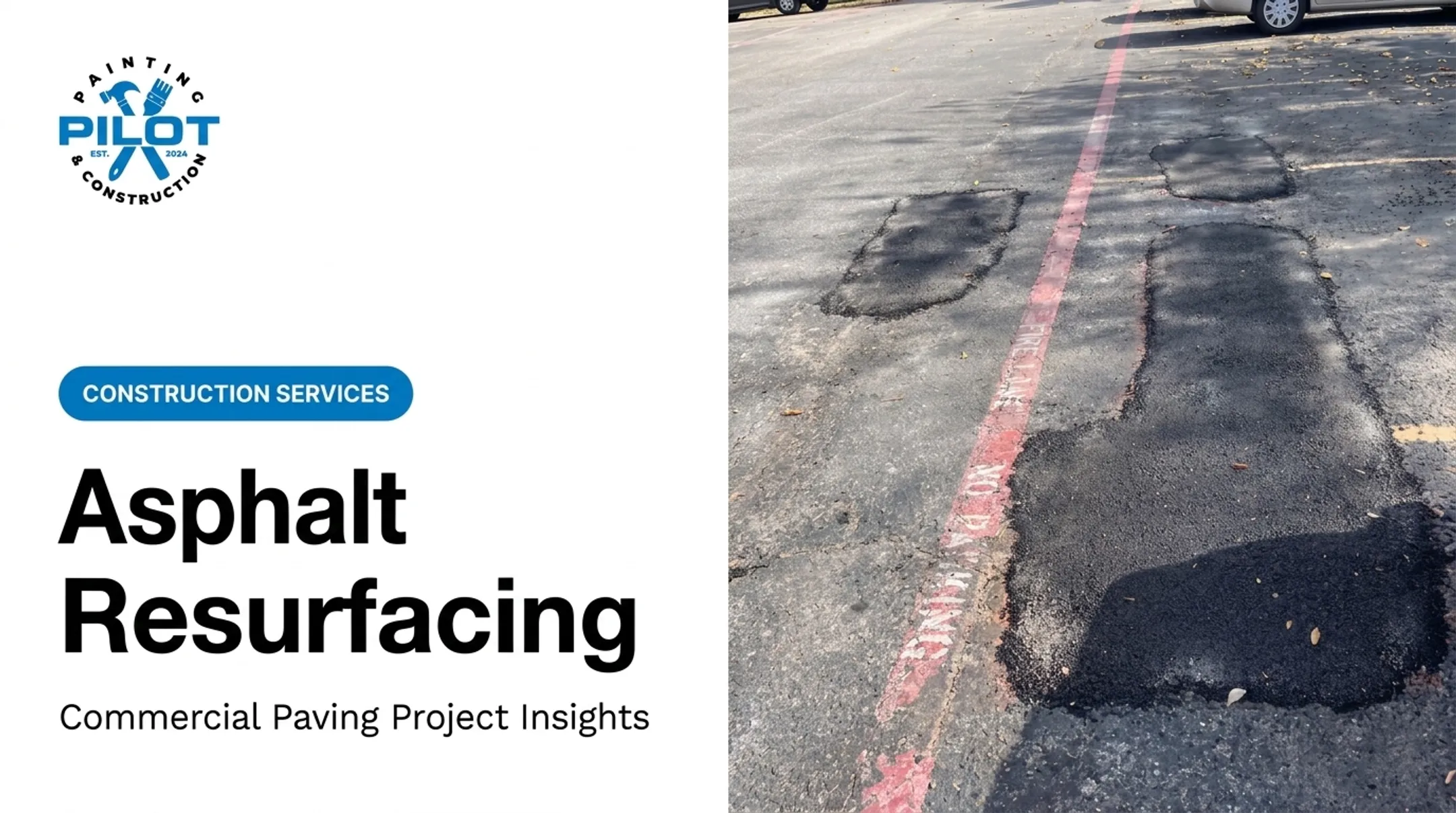
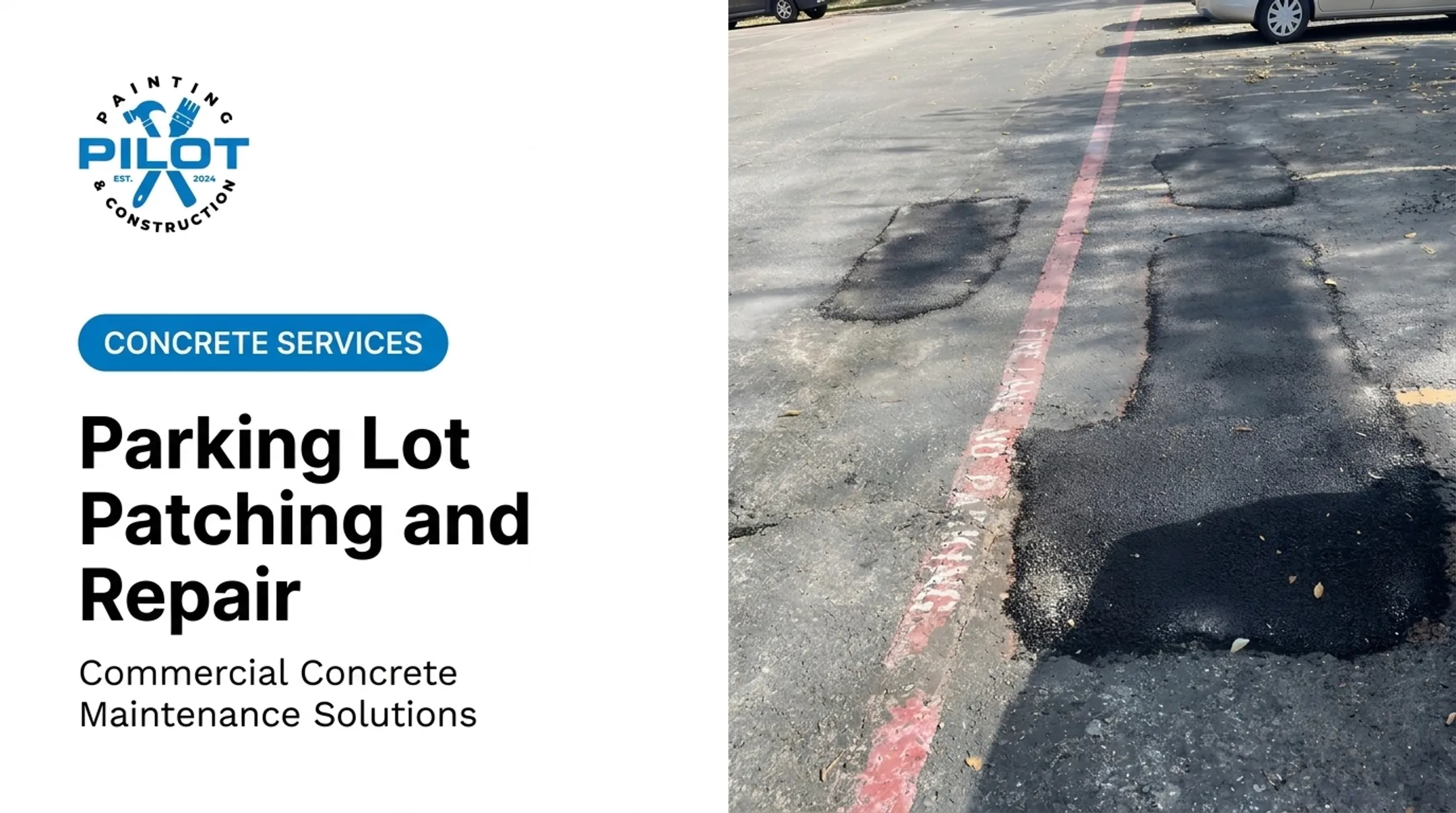
Concrete pothole repair means restoring a section of surface that's crumbled, sunken, or lost material entirely. It's different from crack repair.
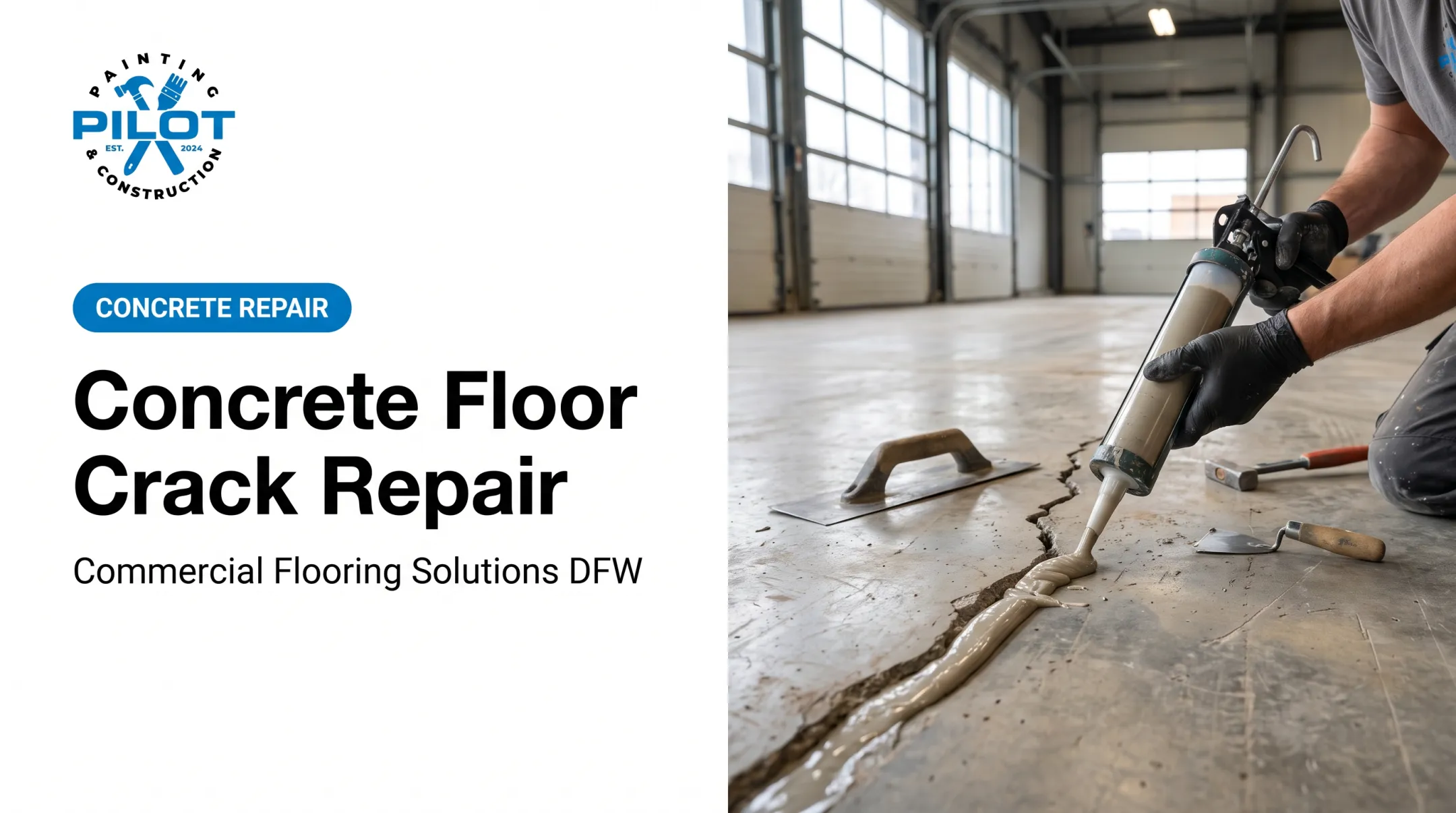
A crack is a fissure in otherwise intact concrete. A pothole is a localized loss of material, sometimes just at the surface, sometimes going deeper into the slab.
Repair scope varies widely:
- Surface patching for shallow, isolated damage
- Full-depth repair when the hole extends through the slab
- Structural intervention when the subgrade beneath the slab has shifted or washed out
Knowing which category you're dealing with determines everything else in this guide.
Common Causes of Concrete Potholes
Pothole formation almost always follows the same pattern: water gets in, the base weakens, and the surface eventually gives way.
Water intrusion and freeze-thaw cycles. Freezing water expands inside concrete pores, creating pressure that cracks and scales the surface over time, especially where deicers are used. ACI Indiana's freeze-thaw research documents how that damage builds. Watch for cracking, spalling, and holes that seem to grow each season.
Poor drainage and standing water. The Federal Highway Administration identifies improper drainage as a direct cause of pavement distress. Soft, eroded edges and discoloration are the telltale signs.
Soil settlement or erosion beneath the slab. When the subgrade shifts or washes out, the concrete above loses support. Look for sinking sections, uneven grades, or visible voids at the edges.
Heavy loads and aging concrete. Repeated stress on already-weakened concrete accelerates surface breakup, particularly in commercial lots where delivery trucks and equipment use the same paths repeatedly.

Why Ignoring Potholes Costs More Over Time
A small pothole rarely stays small. Water keeps seeping into the gap, the surrounding concrete weakens, and cracks spread outward from the original damage.
Left unaddressed, this leads to:
- Trip hazards and vehicle or tire damage
- Escalating repair costs as a surface issue becomes a structural one
- Reduced curb appeal and lower property value
The Federal Highway Administration (FHWA) notes that replacing an entire slab can sometimes be more cost-effective than patching the same section repeatedly. In short, a modest repair today often costs far less than a full slab replacement a couple of years later.
How to Fix a Concrete Pothole (Step-by-Step)
Patching without understanding why the pothole formed is how you end up repeating this process every spring. Following these steps in order gives you a repair that actually holds.
Step 1: Assess the Pothole
Measure the depth and diameter. A shallow surface pit behaves very differently than a hole that goes through the slab. Check for:
- Surrounding cracks or soft spots (signs of a base problem)
- Sinking or unevenness nearby
- Evidence of a prior failed patch in the same spot
Step 2: Prepare the Area
- Clear out loose debris, dirt, and standing water
- Square off the edges with a chisel or hammer so the new material has a clean bonding surface
- Remove any crumbling concrete completely. Leaving weak material in place is one of the most common reasons patches fail
Step 3: Apply the Repair Material
Apply a bonding adhesive if your product's label calls for it. Then mix and pour concrete patch material in layers, filling slightly proud of the surrounding surface. Manufacturer guidance from QUIKRETE's thin-repair instructions specifically calls for pressing the first layer in with firm trowel pressure, not just pouring and walking away. Level with a 2x4 or screed, then float and texture to blend with the surrounding surface. Depth matters here. Some products limit each application layer to as little as 3/8 inch. Deeper potholes need layered applications or a product actually rated for that depth.
Step 4: Compact and Cure
Compress each layer to eliminate air pockets. Cure times vary dramatically by product. Some manufacturers claim a 4-hour return-to-service; others specify 48 hours before the surface is fully cured and several more days for full-depth strength. Always check your specific product's data sheet rather than assuming a blanket 24-hour rule. Keep an eye on the repair over the following weeks. New cracking or sinking means the underlying cause wasn't addressed.

When Should You DIY vs Call a Professional?
Depth, recurrence, and what's happening beneath the surface determine the right call.
| Scenario | DIY Patch? | Professional Needed? |
|---|---|---|
| Small, shallow, isolated pothole | Yes — clean, square, and fill | Only if it fails shortly after repair |
| Sunken or uneven surrounding slab | Not recommended | Yes — void-filling or slab lifting before resurfacing |
| Recurring potholes, same spot | Temporary fix at best | Yes — diagnose drainage or soil issues |
A slab that's sunk without cracking is often a candidate for grout injection to lift it back into place, according to This Old House's guide on sinking slabs. That's a different job from surface patching, and not one to attempt with a bag of patch mix.

For North Texas homeowners and businesses dealing with driveways, parking lots, or walkways affected by seasonal soil movement, Pilot Painting & Construction can evaluate whether a simple patch or a more comprehensive concrete repair is the right call.
Preventive Measures and Common Mistakes to Avoid
Most concrete pothole repairs fail for a few repeatable reasons. Avoid the mistakes below and build simple prevention into regular maintenance.
Mistakes that cause repeat failures:
- Skipping edge preparation (rounded or crumbling edges won't hold a patch)
- Ignoring the underlying cause and just filling the hole
- Using asphalt cold patch on a concrete surface — they're not interchangeable
- Skipping the manufacturer's cure time before allowing traffic
Prevention that actually works:
- Seal cracks and joints promptly before water gets underneath
- Improve drainage so water moves away from the slab instead of pooling on it
- Avoid parking heavy vehicles repeatedly on the same weak spot
- Schedule inspections after freeze-thaw seasons or heavy rain, when new damage tends to surface
Those habits work best as part of ongoing property care, not one-off fixes. For commercial sites, Pilot Painting & Construction's parking lot repair services include concrete surface restoration and crack filling within a broader maintenance plan—so each pothole is handled as a symptom, not a standalone problem.
Conclusion
Most concrete potholes are fixable with proper cleaning, edge preparation, and the right patch material for the job.
The real skill is diagnosis. Surface damage is often a solid DIY fix; a subgrade issue usually needs a pro who can address what’s happening beneath the slab.
Catching the problem early protects your property, keeps costs down, and stops a small patch from turning into full concrete replacement. When the damage points deeper than a surface repair, Pilot Painting & Construction handles concrete work for property owners across the Dallas–Fort Worth area and North Texas.
Frequently Asked Questions
Can potholes be fixed with concrete?
Yes. Small to medium potholes can be filled with a concrete patch material after cleaning and squaring the edges. Deeper or recurring potholes usually need professional-grade repair or a full-depth fix.
How long does a concrete pothole repair take to cure?
Basic patches often need at least 24 hours before light traffic, though some fast-setting products allow use in as little as 4 hours. Full cure for deeper repairs can take several days — always check your product's label.
Why does my concrete pothole keep coming back?
Recurring potholes usually point to water intrusion, poor drainage, or soil settlement beneath the surface that wasn't addressed. Patching the surface without fixing the underlying cause is a temporary fix at best.
Is it cheaper to patch or fully replace a section of concrete?
Patching costs less upfront, but repeated patches on the same failing section often cost more over time than a single full-depth repair. Severely damaged areas usually deliver better long-term value with replacement.
What's the difference between cold patch and concrete patch material?
Cold patch is an asphalt-based product designed for asphalt pavement, not concrete. Concrete patch products are formulated to bond specifically with existing concrete surfaces and shouldn't be substituted for one another.
When should I call a professional for a pothole repair?
Sunken slabs, recurring damage in the same spot, or large structural potholes usually call for professional evaluation rather than a DIY fix. A pro can diagnose drainage or soil issues that a surface patch won't solve.